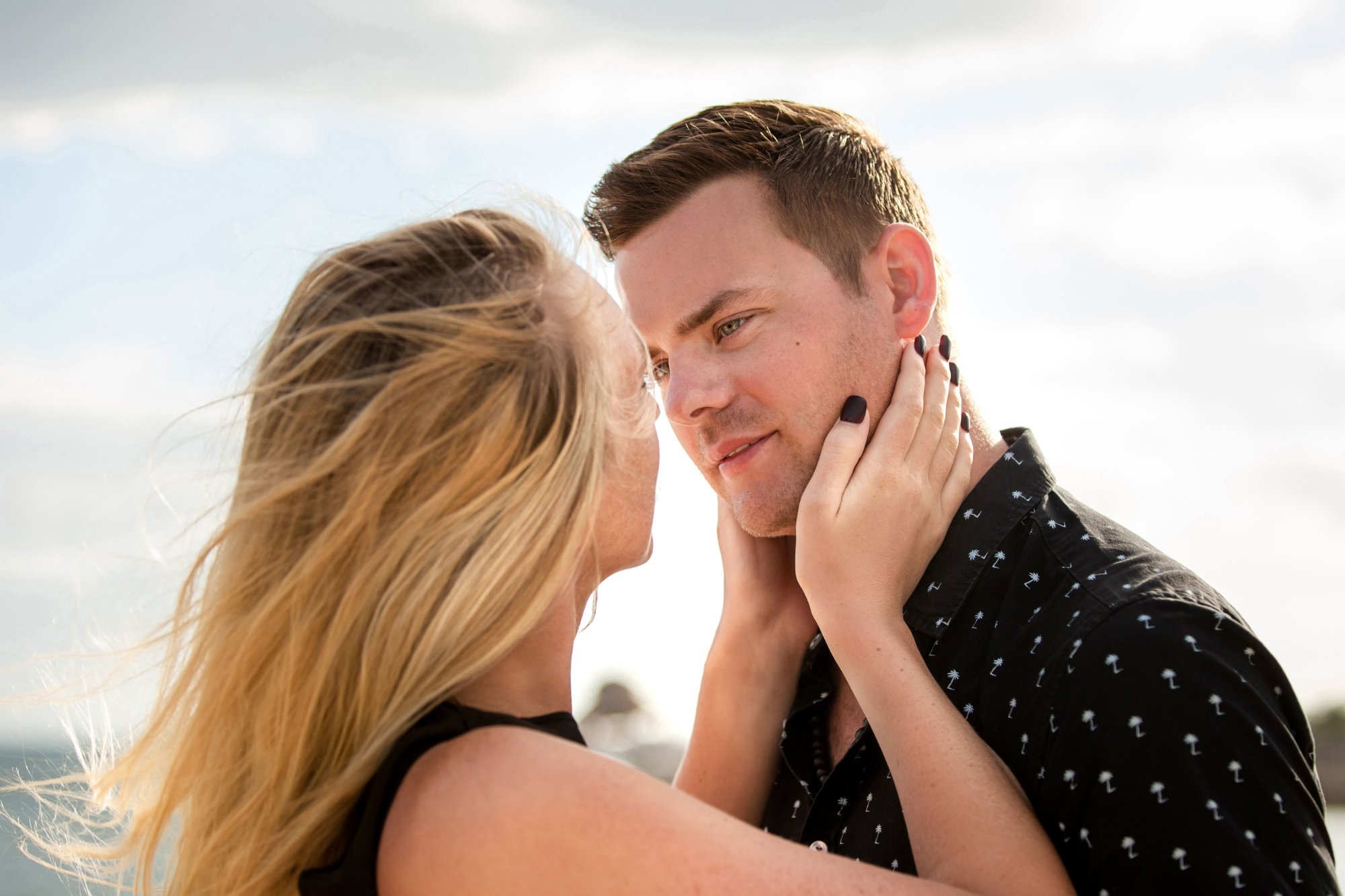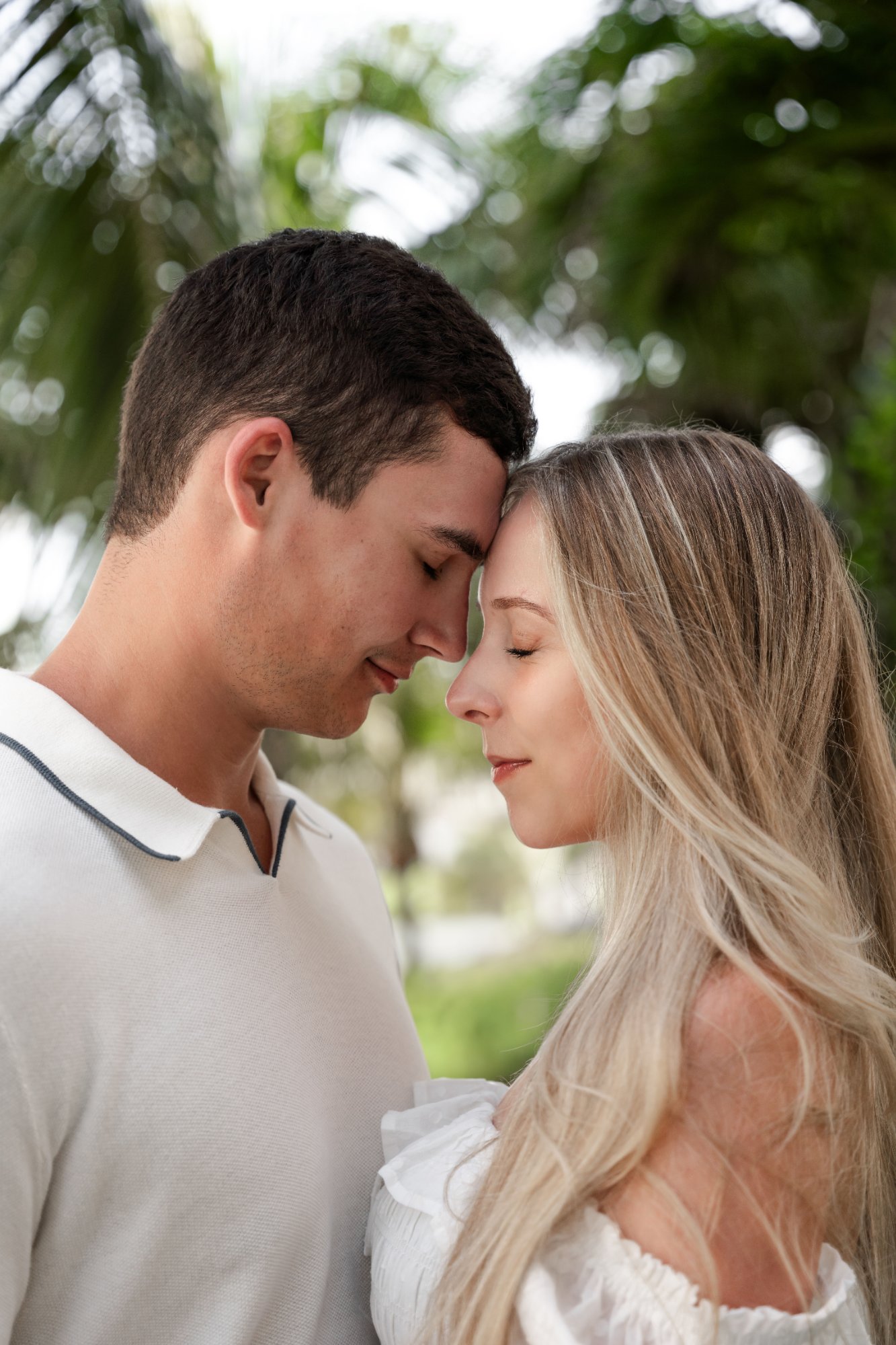
If you only have one chance to photograph Cancún — a honeymoon, a tenth anniversary, the one family trip everyone is finally available for — the month you choose matters more than the camera, the resort, or the outfits. The light, the water color, the seaweed, the crowds, and the storm patterns shift dramatically across the year. This guide is the calendar we send to clients before they book.
Direct Answer: The Best Months for Photos in Cancún
The best months for photography in Cancún are November through April, with December, January and February at the top of the list. During this window, sargassum seaweed is at its annual minimum, the Caribbean hits its clearest, most vivid turquoise, humidity is comfortable, golden-hour light is rich and stable, and rain is rare. The trade-off is crowds: late December and the first two weeks of January are the busiest weeks of the year, and mid-March is US spring break.
If you want the strongest balance of clean water, low rain, manageable crowds and excellent light, the practical sweet spots are early-to-mid December (before the holiday rush), the second half of January through mid-February, and late November. Photographers — and frankly most luxury travel planners — quietly schedule their own trips in these windows.
From May through October the math inverts: water can be obscured by sargassum, rainfall climbs sharply, hurricane probability increases (peaking August through early October), and afternoon storms are more frequent. None of those months are unworkable — we deliver beautiful sessions year-round — but they require a flexible schedule, location knowledge, and a willingness to pivot from open beach to cenote, jungle or resort architecture when the weather demands it.
Month-by-Month Photography Calendar
The table below distills more than 500 sessions of local data into a single decision tool. Grades are practical, not academic — they reflect what actually happens to your photographs in each window, not just the temperature on a tourism brochure.
| Month | Weather | Water Clarity | Sargassum | Crowds | Light Quality | Recommendation |
|---|---|---|---|---|---|---|
| January | 78°F, dry, breezy | A+ | Minimal | High first half, moderate second | Crisp, clear, warm | Top tier — book second half of month |
| February | 78°F, dry, occasional fronts | A+ | Minimal | Moderate (Valentine’s and Presidents’ Day spike) | Excellent year-round benchmark | Best month overall |
| March | 80°F, dry, warming | A | Low (rising late month) | Very high mid-month (US spring break) | Bright, longer days | Great for early or late March |
| April | 83°F, mostly dry | B+ | Increasing | High in Semana Santa week | Strong, slightly hazier | Good — go early in the month |
| May | 86°F, occasional showers | B | Elevated | Moderate | Long, warm golden hour | Workable — choose resort or cenote |
| June | 87°F, humid, brief storms | C+ | High | Family-trip moderate | Latest sunsets of the year | Plan around live sargassum reports |
| July | 88°F, hot, humid | C | Peak | Family vacation high | Hazy, very warm | Lean cenote, jungle and resort |
| August | 88°F, peak humidity | C | Peak | Moderate | Heavy haze and storm light | Hurricane probability rising |
| September | 87°F, peak rain | C− | High | Lowest of the year | Dramatic storm skies | Riskiest month — flexible only |
| October | 84°F, late rains | B− | Tapering | Low | Improving rapidly | Late October is the inflection point |
| November | 81°F, dry returning | A− | Low | Low until Thanksgiving | Soft, golden, painterly | Underrated favorite |
| December | 79°F, dry, cool nights | A+ | Minimal | Low first half, peak after Dec 22 | Warm, clear, painterly | Top tier — book before Dec 18 |
Two takeaways from the table that matter more than any single column. First, February is the most consistently excellent month across every metric, which is why so many couples book anniversaries and proposal sessions then. Second, November is the most underrated month, especially the first three weeks: the dry season is back, sargassum has dropped off, crowds are low, and the light has the soft, slightly amber quality that high-end editorial photography depends on.
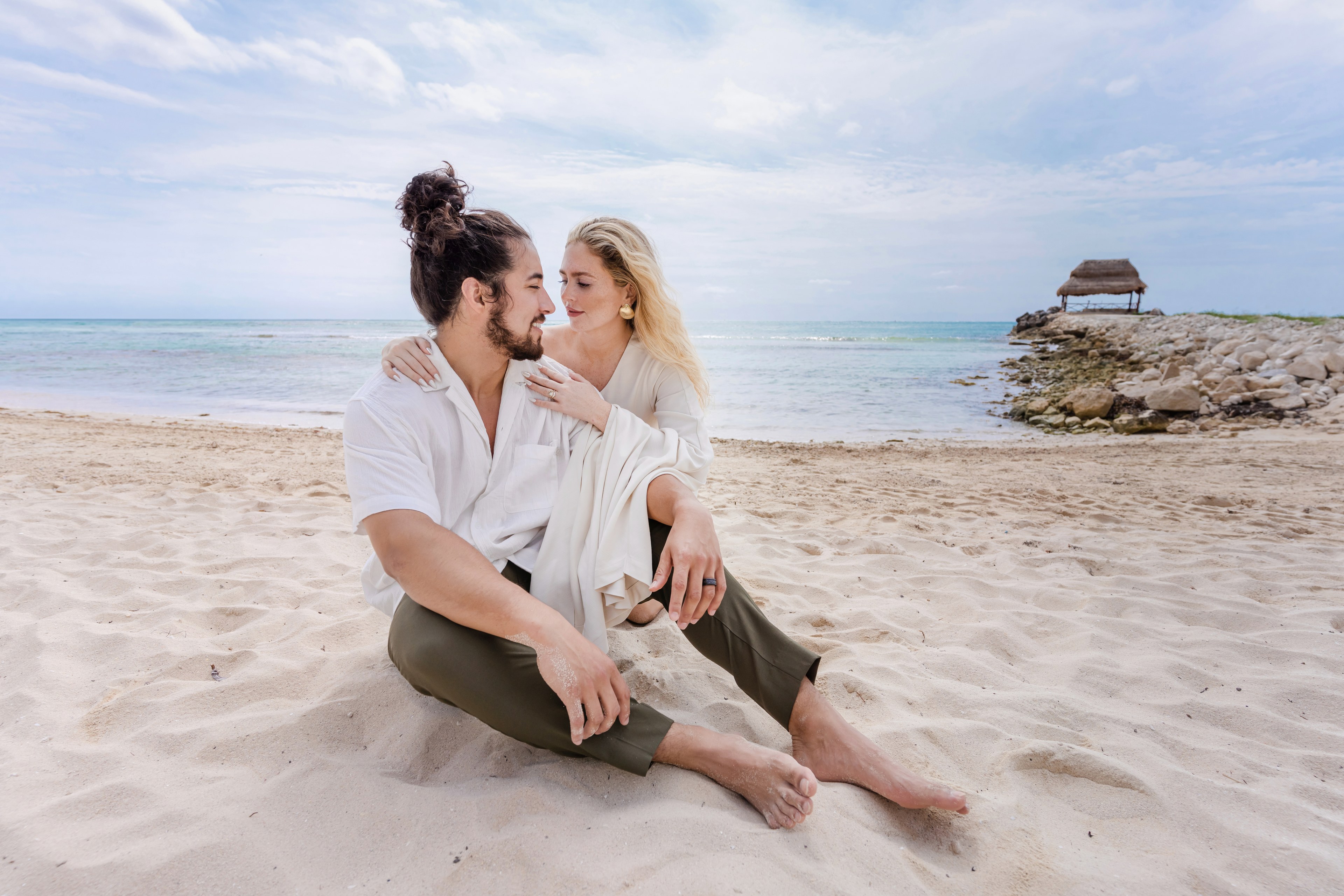
Sargassum Seaweed Season Explained
Sargassum is the single biggest variable in Cancún photography that travelers do not anticipate. It is a brown, mat-like algae that drifts across the Atlantic and lands on Caribbean beaches in waves between roughly April and October, with peaks in May, June, July and August. In a heavy year, sargassum forms thick rafts along the shoreline that smell of decay, turn the water near the beach a tea-colored brown, and visually overwhelm any photo where the surf is in the frame.
The pattern matters because Cancún’s entire photography brand — that vivid turquoise water, the white sand, the high-contrast Caribbean color — collapses if sargassum lands on the wrong week. Resorts in the Hotel Zone deploy daily grooming crews and offshore booms during heavy seasons, and many luxury properties keep their guest-facing strips pristine. But at any unmanaged public beach in May through August, sargassum can be the dominant visual element.
From November through March, sargassum is at its annual minimum. Beaches are clean, the water reads like a postcard, and you can shoot anywhere on the coast without checking a daily report. From April onward, sargassum levels begin climbing and live monitoring becomes essential. Our team checks sargassum charts and resort grooming reports before every session in the elevated months, then routes the day toward the cleanest available beach — or pivots to cenotes, jungle paths and resort architecture when the open coast is not workable. The same trip can produce postcard images regardless of conditions if the photographer is willing to adapt.
Hurricane Season Nuances
The Atlantic hurricane season officially runs June 1 through November 30, but treating those six months as uniformly risky is a misread of the actual data. Statistically, named-storm activity concentrates in August, September and the first half of October. June, July and the second half of November regularly pass without any meaningful storm impact on the Yucatán coast.
September is the peak risk window — historically the most active hurricane month in the Atlantic basin, the heaviest rainfall month in Cancún, and the month with the lowest tourist activity. None of that makes September unworkable for photography, but it does mean planning with a flexible itinerary, comprehensive travel insurance, and an experienced local photographer who can pivot the schedule on short notice.
What direct hurricane impact actually looks like is rare: most years, no major hurricane reaches Cancún at all, and tropical storms typically weaken into manageable weather days. What is far more common is the lead-up effect — outer rain bands several days before a system passes hundreds of miles away — and the post-storm bonus, which is some of the most dramatic, atmospheric, cinematic light of the entire year. Our team monitors National Hurricane Center forecasts during sessions booked in this window and reschedules at no cost if a serious system threatens the date.
Sun Position and Golden Hour by Season
Cancún sits at roughly 21 degrees north latitude, which means the sun rises and sets at meaningfully different points along the horizon depending on the season. For a coastline that runs north-to-south with the ocean on the east, that shift directly changes where you can stand and what is behind your subjects at golden hour.
December and January (winter solstice window): The sun rises in the southeast over the Caribbean and sets in the southwest over the lagoon. Sunset is around 5:30 PM, golden hour begins about 4:30 PM, and the final 35 minutes are extraordinarily warm with long horizontal shadows. East-facing beaches catch the warmest backlight. This is when the postcard light feels almost supernatural, but also the shortest golden window of the year.
March and September (equinox windows): The sun rises and sets nearly due east and west. Sunrise is around 6:15 AM, sunset around 6:30 PM. Golden hour lasts roughly 40 minutes. The symmetry of equinox light makes both ends of the day usable and gives photographers maximum flexibility on a single travel day.
June and July (summer solstice window): The sun rises in the northeast and sets in the northwest. Sunset is the latest of the year — around 7:25 PM — and golden hour stretches close to 50 minutes because of the higher arc and slower descent angle. The reward for surviving June humidity is the longest, most generous golden window of the year and an extended blue-hour bonus afterward.
For a deeper map of light timing across Mexico, our companion guide on golden hour photography in Mexico covers exact windows by region and season, including the differences between Cancún, Tulum and Los Cabos.
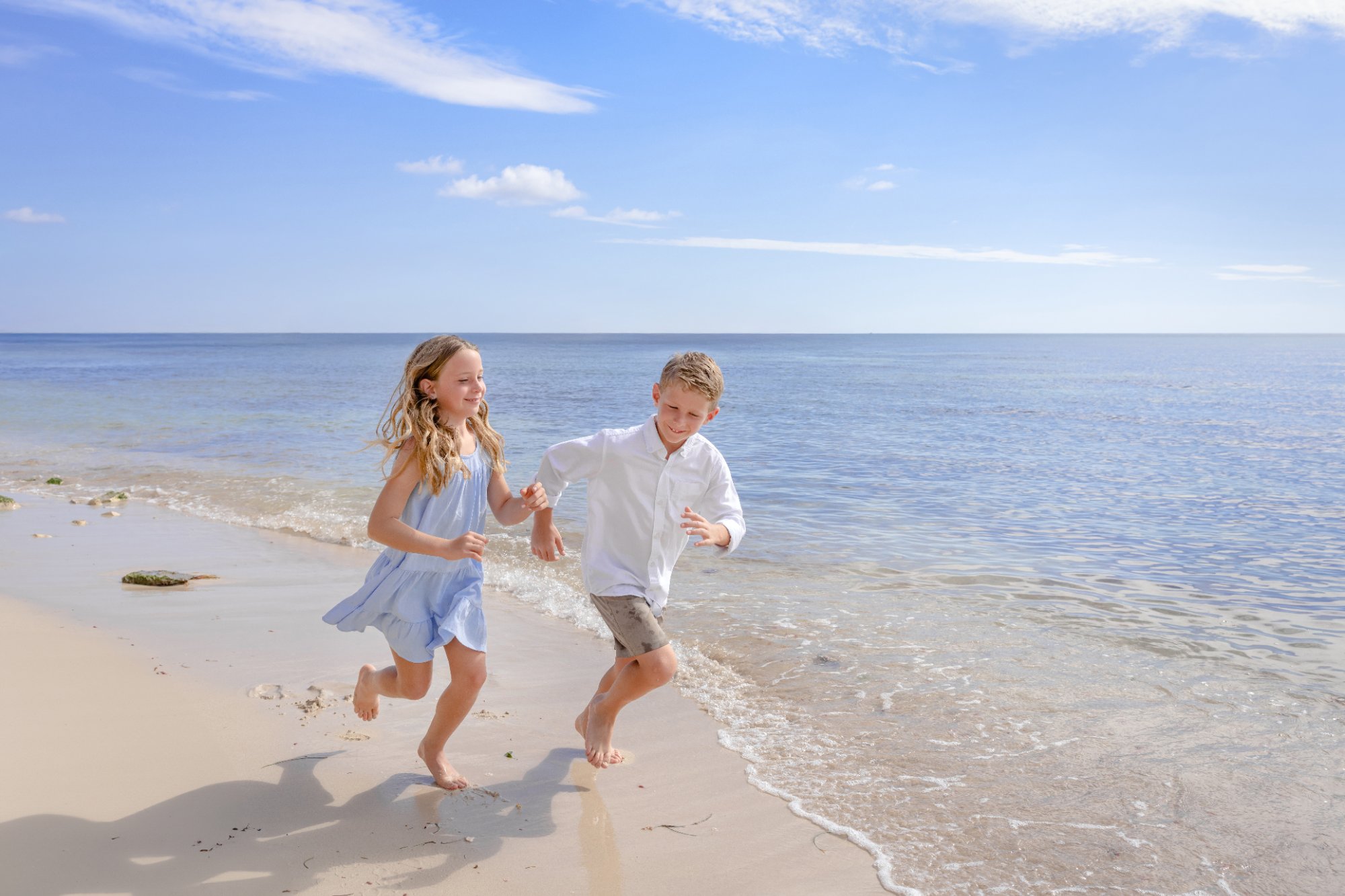
Crowd Calendar: Holidays and Spring Break
Weather is only half of the story. The other half is who is on the beach with you. A perfect-light, perfect-water sunset can still be visually compromised if the frame is filled with strangers, beach umbrellas and floating volleyball games. The crowd calendar below is what we actually plan around.
The Highest-Crowd Windows
- December 22 to January 3: The peak of the year. Resorts are at full occupancy, beaches are busy from mid-morning through sunset, and pricing is at maximum. Sessions still work beautifully at sunrise and at private resort properties, but public beaches are crowded.
- Mid-March US spring break (typically the second and third weeks): Hotel Zone bars and beaches near Playa Forum are wall-to-wall. The atmosphere is loud and youthful. Sessions move to sunrise, to private resorts, or to quieter destinations like Isla Mujeres, Playa Mujeres or Tulum.
- Semana Santa (Mexican Holy Week, late March or April): Mexican domestic tourism peaks. Local families fill public beaches, especially Playa Delfines and Playa Caracol. Resort properties remain quieter than the public coast.
- US Memorial Day, July 4 and Labor Day: Long weekends of US travelers. Manageable but visible.
- US Thanksgiving week and Mexican Día de los Muertos in early November: Both produce moderate crowd spikes that pass within days.
The Quietest Windows
- Mid-January through early February (after holiday return flights but before Valentine’s).
- The first three weeks of November, before US Thanksgiving.
- The first half of December, before the holiday rush.
- September and early October — quietest of the year, but with real weather risk.
If You Must Travel In…
If You Must Travel in May, June or July
Build the day around early-morning sessions. Sunrise sargassum is usually pushed offshore overnight by tide and wind, so the cleanest beach images of the day happen in the first 90 minutes after sunrise. Sessions at resort infinity pools, jungle paths, cenotes, and the architectural corridors of luxury properties bypass the sargassum question entirely. Pack one outfit that photographs well against architecture (cream, warm neutrals) so the day is not wasted if the open beach is not viable.
If You Must Travel in August, September or October
This is when local knowledge pays for itself. Sessions are scheduled with two-window flexibility — a primary golden hour and a backup the following day — so a short rain delay does not cost the entire trip. The post-storm light in this window is some of the most cinematic of the year: saturated skies, dramatic clouds, vivid water reflections. Lean into cenote sessions in Tulum and Riviera Maya, which are completely sheltered from rain and produce some of the most distinctive imagery on the entire Yucatán Peninsula.
If You Must Travel During US Spring Break
Avoid the central Hotel Zone in the afternoon. Schedule a sunrise session at Playa Delfines (genuinely empty at 6:30 AM), or move the entire day to Isla Mujeres, Playa Mujeres, Costa Mujeres or Tulum. These destinations are 20 to 90 minutes from your hotel and feel like a different country compared to the spring-break strip.
If You Must Travel During Christmas Week
Book early — the best photographers are reserved 6 to 9 months out for Christmas and New Year sessions. Schedule sunrise rather than sunset to avoid both crowds and traffic. Use private resort settings rather than public beaches whenever possible. Build in a second outfit so the session can transition from beach to architecture as the morning fills up.
Best Months by Session Type
Couples and Honeymoons
Best: February, late January, early December, mid-November. Second-best: March (avoiding spring break), April (avoiding Semana Santa), late October. Couples sessions benefit most from clean water and dramatic golden light, both of which peak in dry season. For more on planning, see our couples photography in Mexico service page and our couples photographer Cancún guide.
Family Sessions
Best: Late November, early December, late January, February. Second-best: Late June and July (when school is out and weather is workable with a flexible plan). Families with young children benefit most from the cooler dry-season temperatures, when kids are not overheated and golden hour is at a manageable pre-bedtime hour. Our luxury family photos in Cancún service is built around these constraints.
Weddings and Elopements
Best: November, December, January, February, March, April. Second-best: May (early), late October. Most luxury Cancún weddings book 12 to 18 months in advance, and the dry-season window is consistently chosen for both weather stability and guest comfort. Outdoor ceremonies and reception photography both benefit from the clear skies and vivid water of these months.
Maternity and Babymoon
Best: January, February, March, November. Cooler dry-season temperatures and lower humidity are noticeably more comfortable for late-pregnancy sessions, and the lighter wardrobe options (flowing chiffon, linen) photograph beautifully against vivid winter water.
Proposals and Engagements
Best: February (Valentine’s and the surrounding two weeks book heaviest), late December (anniversary trips), and any clear-water dry-season day. Surprise proposals depend on weather predictability — golden hour timing has to be exact, and dry-season Cancún delivers that precision more reliably than any other Caribbean destination we work in.
Weather Backup Plans
Rain in Cancún is rarely the all-day affair travelers fear. Even in the wet season, most rain falls in 30 to 60-minute bursts, often in the late afternoon, and clears to reveal some of the most dramatic skies of the trip. Our standard backup framework, built into every session contract, has four levels:
- Light rain: Continue shooting. Light rain on a beach is genuinely beautiful, the air becomes saturated and atmospheric, and a small umbrella becomes a styling prop rather than a problem. Some of our most-loved images of the last five years were made in light rain.
- Heavy rain or storms: Pause for 30 to 60 minutes at a covered location — resort lobby, restaurant, or vehicle. Most tropical systems pass within an hour, after which the post-rain light is the most spectacular of the day.
- Sustained rain or storm warnings: Move the session indoors or to a sheltered alternative. Cenotes, resort architecture, covered terraces and jungle paths all photograph beautifully and feel intentional rather than improvised.
- Severe weather (named storm, prolonged forecast): Reschedule to the next available golden-hour window during your trip, at no additional cost. Travel insurance covers the rest.
What makes the difference between a salvaged session and a wasted day is having all four levels prepared in advance. By the time the rain starts, the backup location is already mapped. By the time the rain stops, the team is back on the beach for the post-storm window. Outfits and styling are chosen with a backup setting in mind. Coordinating that level of plan-B is exactly what hiring a local studio is for. For wardrobe planning that holds up across all four scenarios, see our what to wear for beach photos guide.
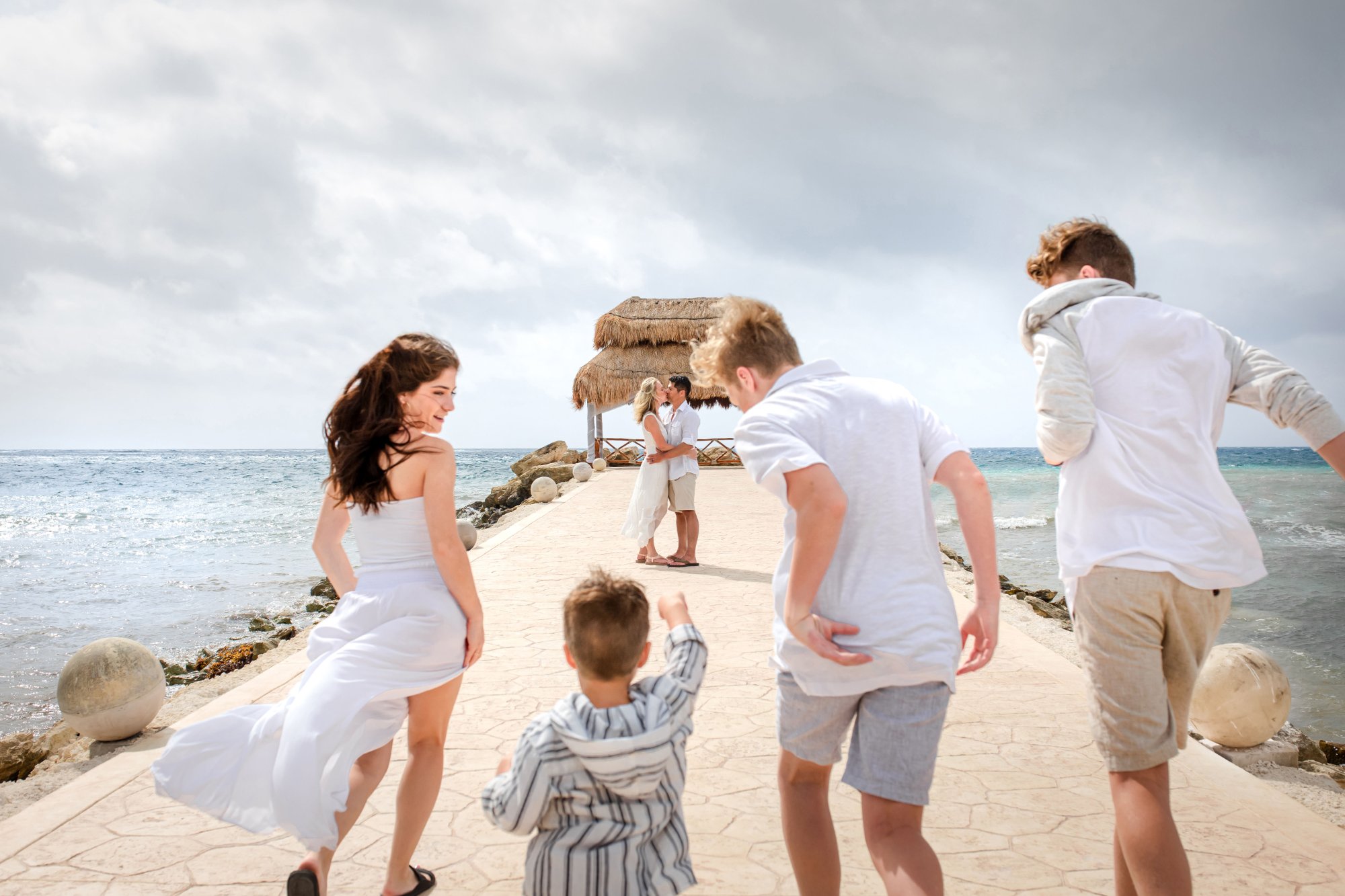
If your travel window is November through April, book your photographer first and the rest of the trip around them. If your window is May through October, book your photographer with a flexible day and a willingness to use cenotes, resort architecture or sunrise as backup options.
Why Travelers Choose IVAE Studios in Cancún
IVAE Studios is a luxury resort photography studio based in Cancún, with more than 500 sessions delivered across the Caribbean coast and Los Cabos. We are fully bilingual, deeply familiar with every major resort and beach in the Hotel Zone and Riviera Maya, and our planning calendar is built around exactly the patterns described above — sargassum reports, sunrise and sunset times by date, hurricane probability windows, and the crowd profile of every week of the year.
That local knowledge is what makes the difference between booking a great month and accidentally booking a mediocre week within a great month. If your trip is already planned, send your dates to our team and we will tell you exactly what to expect — and what we recommend doing about it. If you are still choosing dates, we will help you pick the window that gives you the highest chance of the photographs you actually want.